
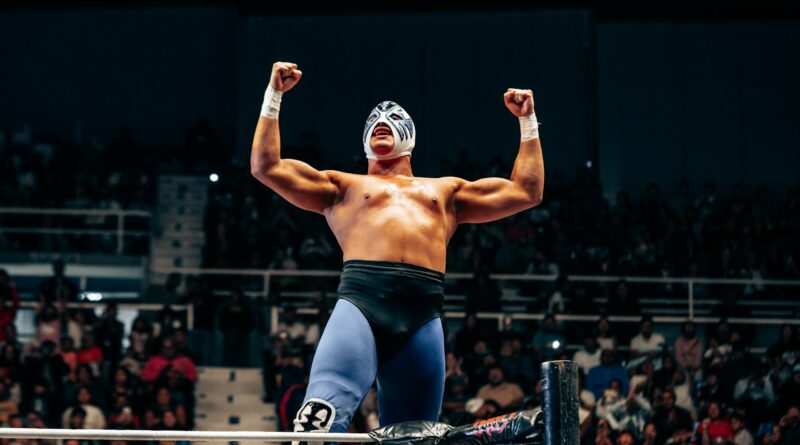
The Hidden Toll: How Wrestling Impacts Long-Term Joint and Muscle Health
Wrestling is a full-contact sport built on strength, technique, and endurance. Every match involves explosive movements, quick transitions, and intense physical strain. It’s demanding by design. Unlike many sports, wrestling has no off moments. Even short bouts can tax the entire body. Over time, this level of effort affects the joints, muscles, and connective tissue. What feels manageable at first can build into something more serious as the years go by. For more information, visit https://scarsports.com/.
Joint Wear That Adds Up
Wrestlers put tremendous pressure on their joints, especially the knees, shoulders, elbows, and spine. The constant twisting, sudden takedowns, and high-impact landings create stress. These forces can wear down cartilage, strain ligaments, and cause joint instability. Injuries may seem minor at first, but become chronic with repetition. Many retired wrestlers experience arthritis or joint stiffness as a direct result of their time on the mat. While proper technique can reduce risk, the wear is often unavoidable with long-term involvement in the sport.
Muscle Strain Beyond the Mat
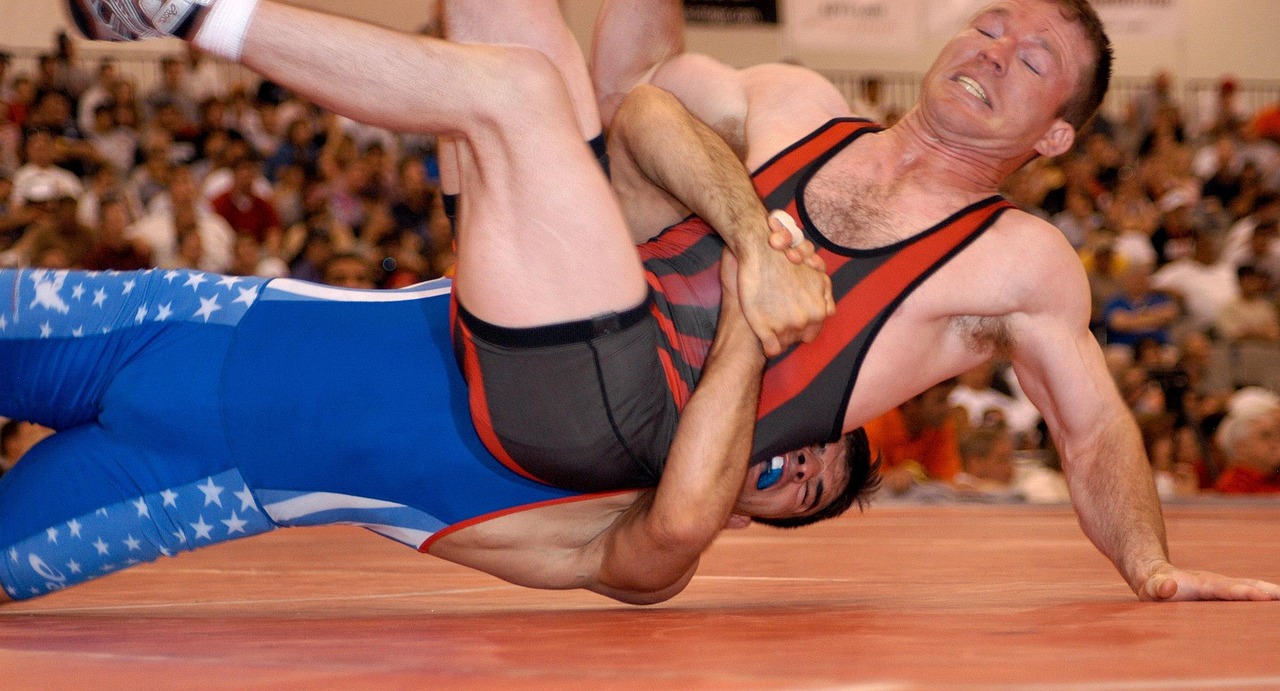 Muscle health in wrestling goes beyond building strength. Wrestlers use their muscles in extreme, often unnatural ways. Holding awkward positions or resisting an opponent’s force can lead to overuse. Tightness, imbalances, and microtears are common. Recovery windows are often short during a season, and muscles don’t always get time to fully heal. Over time, this can lead to reduced flexibility, chronic soreness, and even nerve impingement. It’s a physical toll that follows many athletes long after their final match.
Weight Cuts and Their Lasting Effects
Cutting weight is a regular part of competitive wrestling. Athletes often drop pounds quickly to meet a weight class. This puts added stress on both muscles and joints. Dehydration, nutrient loss, and fatigue increase the risk of injury. Bones and tendons also become more fragile under nutritional strain. Over time, repeated weight cuts can lead to hormone disruption, decreased bone density, and long-term weakness. While some methods are improving, the pressure to make weight still carries risks.
Recovery and Prevention Challenges
Wrestlers are trained to push through pain. That mentality, while admirable, can delay healing. Many injuries go unreported or untreated. Without proper rest, small issues grow into bigger ones. The sport demands a high threshold for discomfort, which often leads athletes to ignore early warning signs. This makes proactive care more difficult. Long-term damage becomes more likely when recovery is not prioritized. Finding a balance between discipline and protection is one of wrestling’s unique challenges.
Cumulative Damage Over Time

A single match might not do lasting harm. But seasons of training, competition, and repeated impact create a cumulative effect for wrestlers who compete over many years, whether amateur or professional. The risk grows with time. Some develop chronic back pain. Others face shoulder instability or frequent knee problems. Many wrestlers enter adulthood with physical limitations that trace directly back to their time in the sport. The hidden toll becomes visible with age.
Wrestling builds discipline, toughness, and skill, but it also places heavy demands on the body. The impact on joints and muscles can linger well beyond an athlete’s competitive years. Acknowledging the hidden toll is the first step to managing it. Through smart training, better recovery habits, and attention to health, wrestlers can extend their careers and preserve their well-being. The goal isn’t to avoid the grind but to navigate it with the utmost care and long-term mindset.